Featured Voices
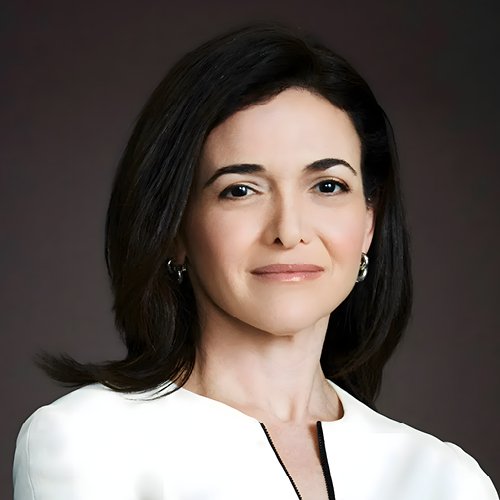
This is a pivotal moment for women’s leadership in the U.S. and around the world. Research continues to show advancing women’s careers requires sustained focus. Companies that remain committed will retain top talent and, ultimately, perform better. The Rosenzweig Report provides a clear, data-driven view of where companies stand, and where renewed attention can make the biggest difference.
| – | Sheryl Sandberg, Founder, Lean In |

Women’s leadership is one of the most powerful forces for progress in the world. When women lead, communities and companies become stronger, innovation flourishes, and the path forward becomes more equitable for everyone. At TIME, our journalism consistently highlights how women across business, culture, science, and public life are shaping the future and driving meaningful change. Their vision, resilience, and influence are essential at a moment when the world is calling for more inclusive, collaborative, and future-focused leadership. Jay Rosenzweig’s 21st Annual Report on Women in Leadership reinforces the importance of transparency and accountability in advancing gender equity. It serves as a reminder that progress accelerates when we recognize women’s contributions, expand access to opportunity, and champion the leaders who are redefining what is possible.
| – | Jessica Sibley, Chief Executive Officer of TIME |
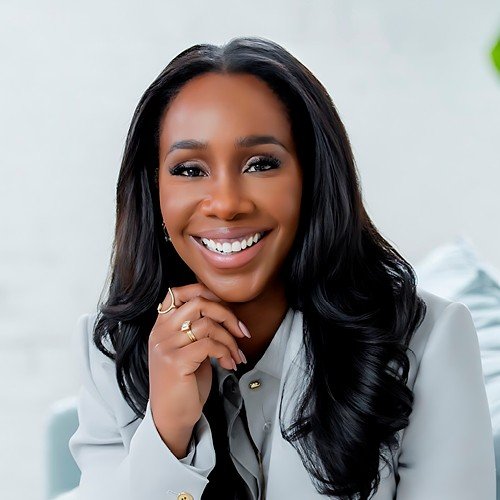
The work of women’s equality is far from finished. In order to continue to make progress, we need to understand and acknowledge the scope of our problem. The Rosenzweig report empowers women with the facts, the tools, and context to understand how far we’ve come and how much farther we have to go. For women to truly obtain respect and dignity at work, in their family lives and in our politics, we must never forget the power of knowledge in pursuit of accountability.
| – | Abby D. Phillip, Anchor of CNN NewsNight with Abby Philip |
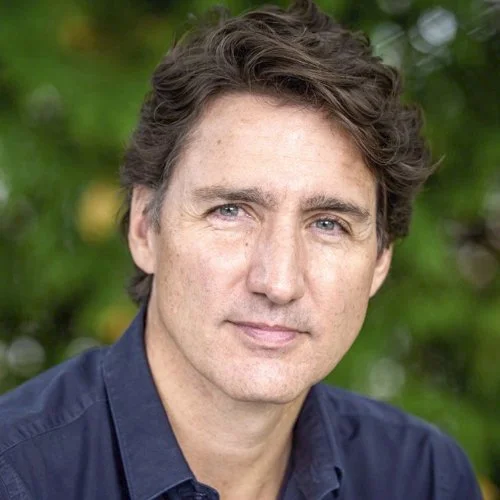
When we talk about advancing women into leadership, we’re talking about something fundamental to who we are as a society. It’s about equality, yes, but it’s also about building a stronger economy and driving growth in a changing world. We’ve made real progress. But we also have to be honest with ourselves: women are still underrepresented at the most senior levels of leadership. And that, as well as the pushback we’re all feeling, tells us there’s more work to do. Moving forward means sustained commitment from governments, from businesses, from institutions, and from every sector of our society. It means recognizing that talent is everywhere, and that our leadership should reflect the full diversity and strength of the people we serve.That’s why projects like the Rosenzweig Report matter. They keep us focused on representation at all levels, on accountability, and on the concrete actions required to turn good intentions into real change. Because when leadership truly reflects the breadth of talent in our society, we are all stronger for it.
| – | The Right Honourable Justin Trudeau, Former Prime Minister of Canada |

I’ve made it one of my missions to discuss the crisis facing our young men. What’s not mutually exclusive is discussing how we can better empower our young women. When we systematically equip our future leaders, it lifts up everyone — regardless of gender. The Rosenzweig Report is a great way for us to track how much progress women have made, while also ensuring that we hold ourselves accountable in demanding more.
| – | Scott Galloway, Professor of Marketing at NYU’s Stern School of Business, NYT Bestselling Author, Serial Entrepreneur, & Founder of Prof G Media |

Women make organizations stronger, smarter, and more resilient. When women lead, everyone wins. We need to make sure women have the same access to opportunities, capital, mentorship, and leadership roles as anyone else. Jay Rosenzweig has been pushing for this for more than two decades with his annual report, and his work continues to shine a light on where progress is happening and where it’s still overdue.
| – | Mark Cuban, Entrepreneur & Investor |
Executive Summary
The Leadership Imperative
Leadership decisions shape more than organizations. They shape opportunity, economic growth, institutional strength, and long-term competitiveness.
The environment facing businesses today is more demanding than at any point in recent memory. Economic uncertainty, rapid technological change, demographic shifts, geopolitical tension, and intensifying competition for talent are reshaping how organizations operate and compete.
In this context, the central question is not how organizations talk about diversity or inclusion. The real question is whether they are building the strongest possible leadership teams for a more complex and competitive world.
The Rosenzweig Report addresses this question through rigorous data and long-term trends, grounded in the principle that expanding leadership opportunity strengthens organizations, economies, and the societies in which they operate.
Organizations that draw from the full breadth of available talent make better decisions, manage risk more effectively, and adapt more quickly to change. Those that rely on narrow networks or traditional pathways constrain not only opportunity, but performance.
Beyond performance, a broader institutional consideration is at stake. Fairness, equal opportunity, and the full participation of women in economic life are essential to institutional legitimacy, social stability, and long-term economic resilience.
For organizations and societies alike, advancing women into leadership is both a strategic priority and a foundation for long-term strength.
Progress — and the Leadership Gap
Over the past two decades, Canada has made measurable progress.
When the Rosenzweig Report began in 2006, women held just 4.6 percent of the most senior executive roles in Canada’s largest companies. Today, that number has risen to 14.23 percent.
The direction is encouraging. The pace remains slow.
Women continue to be underrepresented in operating and profit-and-loss roles — the positions that most often lead to CEO and enterprise leadership. Many organizations have diversified their boards. Far fewer have transformed their executive pipelines.
The issue is no longer awareness.
It is structural progress.
Leadership teams determine how capital is allocated, how risk is managed, how culture is built, and how organizations respond to disruption. When leadership pipelines remain narrow, organizations operate below their potential.
Structural progress requires intentional action: expanding access to operating roles, broadening succession pathways, and holding leadership accountable for outcomes.
A More Complex World
The case for strong leadership has never been more urgent.
Organizations today are navigating:
Artificial intelligence and rapid technological transformation
Workforce disruption and changing skill requirements
Aging populations and tightening talent markets
Heightened expectations around governance, transparency, and accountability
Greater operational, geopolitical, and reputational risk
At the same time, many economies face slowing productivity growth and increasing pressure to innovate.
In this environment, leadership quality is a competitive advantage.
Expanding leadership pathways and ensuring equal opportunity is both a business necessity and a reflection of sound institutional values.
From Debate to Execution
In recent years, public conversations around diversity, equity, and inclusion have become increasingly polarized.
The most effective organizations are moving beyond language and focusing on execution:
Broadening candidate slates for critical roles
Ensuring high-potential leaders gain operating and P&L experience
Holding senior leaders accountable for succession outcomes
Linking talent strategy directly to long-term business performance
The strongest companies are not treating inclusion as a separate initiative. They are integrating it into how they compete.
The Broader Context
While our research focuses on corporate leadership in Canada, the global context matters.
Across much of the world, women continue to face structural barriers to economic participation and leadership. Conflict, instability, legal constraints, and systemic inequality limit access to opportunities and decision-making. Women face severe restrictions on basic freedoms, limited access to justice, and ongoing violence, coercion, and persecution — conditions that profoundly undermine safety, autonomy, and the ability to participate fully in economic and public life.
At the Raoul Wallenberg Centre for Human Rights, we have seen firsthand how closely economic opportunity and human dignity are connected. Societies that expand opportunity for women strengthen not only their economies, but their stability, resilience, and long-term prosperity.
Advancing women into leadership is therefore not only an economic priority. It is closely linked to institutional strength and social progress.
A Platform for Leadership Voices
The Rosenzweig Report brings together data and perspectives from leaders across business, government, media, technology, and civil society.
The objective is simple: to keep the issue of leadership representation grounded in facts, focused on outcomes, and firmly on the leadership agenda.
The views expressed by contributors reflect a range of perspectives. That diversity of thought is intentional. Progress is shaped through dialogue, accountability, and a willingness to confront complex challenges.
The Work Ahead
After more than two decades, the central insight of this report remains unchanged.
Progress follows leadership commitment – and sustained execution.
Organizations that treat talent development as a strategic imperative will expand their leadership pipelines and strengthen performance. Those that do not will face increasing constraints in a more competitive and uncertain environment.
The objective is not symbolic progress.
It is stronger organizations, stronger economies, and stronger institutions.
That is the work ahead.

Jay Rosenzweig
The 2026 Rosenzweig Report
The Numbers
The Rosenzweig Report looks at the top 100 largest publicly-traded corporations in Canada, based on revenue, and examines how many of the top leadership roles are held by women as per public, corporate filings in 2025.
This year’s research revealed 75 female Named Executive Officers (NEOs) at Canada’s 100 largest publicly-traded corporations. NEOs are the Chief Executive Officers (CEOs), Chief Financial Officers (CFOs), and other top paid C-level executives named in a corporation’s management circulars. They are typically the most influential executives running a corporation – in short, the leaders.
Figure 1 (included below) displays the year-over-year trends in the percentage of female NEOs. Of the 527 executives, 75 are women, and 452 are men. This year’s statistics indicate that female participation is at 14.23%, an all-time high and up from 12.52% last year.
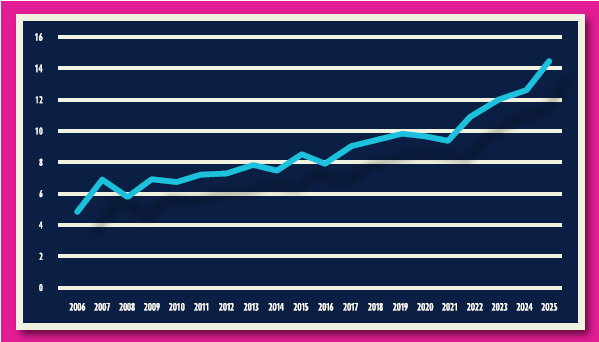
Figure 1. Year-over-year observations by percentage of female NEO inclusion in Canada’s top 100 publicly-traded corporations by revenue.
Other highlights of this year’s report:
Lululemon Athletica led all companies with four female NEOs. Hydro One and The Co-operators Group both have three women NEOs, and twelve total companies have two women NEOs.
Approximately 12 of the 75 female NEOs are BIPOC (exact numbers are difficult to ascertain as not everyone self-identifies).
Once again, the largest corporation with a female NEO this year is Royal Bank of Canada, with Katherine Gibson as the Chief Financial Officer.
3 out of the 75 female NEOs are Chief Executive Officers: Tracy Robinson (Canadian National Railway Co.), Darlene Gates (MEG Energy Corp.), and Nancy Southern (ATCO Ltd.).
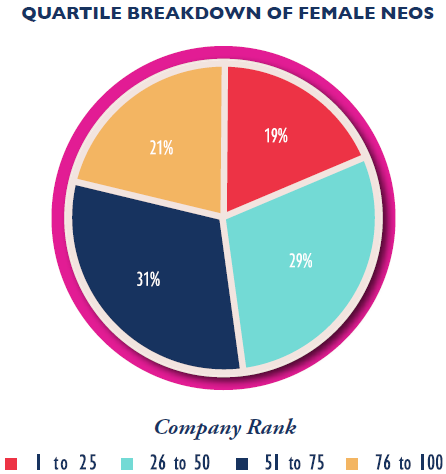
Figure 2. Breakdown of female NEOs in Canada’s top 100 publicly-traded corporations by revenue.
The third quartile of corporations has the highest number of female-held NEO positions, with 31% female NEOs. The second quartile follows closely behind with 29% female NEOs. The fourth quartile has 21% female NEOs, while the first quartile has the fewest, with only 19% female NEOs. At 18, the finance function, including Chief Financial Officer, Executive Vice President, Finance, and Senior Vice President, Finance, is the most commonly held c-suite function by female NEOs.
Women's Report 2026
| New to the List |
| COMPANY | NAME | TITLE |
| Secure Energy Services Inc. | Rhonda Rudnitski | Vice President, Environmental, Social & Governance |
| Hydro One Ltd. | Renee McKenzie | Executive Vice President, Digital & Technology Solutions |
| Hydro One Ltd. | Teri French | Executive Vice President, Safety Operations & Customer Experience |
| FirstServices Corp. | Angela Bai | Vice President, Strategy & Corporate Development |
| NFI Group Inc. | Margaret Lewis | Senior Vice President, Quality & Continuous Improvement, New Flyer |
| Pan America Silver Corp. | Nicky Grant | Director |
| Capital Power Corp | Pauline McLean | Senior Vice President, Head of Canada |
| EQB Inc. | Mahima Poddar | Former Group Head, Personal Banking |
| EQB Inc. | Marlene Lenarduzzi | Senior Vice President & Chief Risk Officer |
| Baytex Energy Corp. | Julia C. Gwaltney | Senior Vice President & General Manager, U.S. Eagle Ford |
| NO LONGER ON THE LIST |
| COMPANY | NAME | TITLE |
| Imperial Oil Ltd. | Sherri Evers | Senior Vice-President, Sustainability, Commercial Development & Product Solutions |
| Suncor Energy Inc | Shelley Powell | SVP, Operational Improvement & Support Services |
| Agnico Eagle Mines Ltd. | Natasha Vaz | EVP, Chief Operating Officer – Ontario, Australia & Mexico |
| Teck Resources Ltd. | Crystal Prystai | Chief Financial Officer |
| Teck Resources Ltd. | Charlene Ripley | Senior Vice President – Legal |
| CAE Inc. | Abha Dogra | Chief Technology & Product Officer |
| Capital Power Corp. | Jacquie Pylypiuk | Senior Vice President, Technology & Chief People & Culture Officer |
| Capital Power Corp. | Kathryn Chisholm | (Former) Senior Vice President, Chief Strategy & Sustainability Officer |
Appendix One:
Female Named Executive Officers (NEOs) from the Top 100 Publicly-Traded
Canadian Corporations (Ranked by Revenue)
Note – The numbering in the table below reflects the ranking of the company on the list of the top 100 publicly-traded Canadian corporations (by revenue).
| FEMALE NEOS IN THE TOP 100 PUBLIC COMPANIES |
| RANK | COMPANY | FEMALE3 |
| 1 | Royal Bank of Canada | Nadine Ahn – Former Chief Financial Officer |
| 1 | Royal Bank of Canada | Katherine Gibson – Chief Financial Officer |
| 4 | Alimentation Couche-Tard Inc. | Louise Warner – Executive Vice President, North America Operations & Global Commercial Optimization |
| 5 | Bank of Montreal | Ernie Johannson – Group Head, North American Personal & Business Banking |
| 10 | Fairfax Financial Holdings Ltd. | Jennifer Allen – Vice President & Chief Financial Officer |
| 12 | Enbridge Inc. | Cynthia L. Hansen – Executive Vice President & President, Gas Transmission & Midstream |
| 14 | Imperial Oil Ltd. | Cheryl Gomez-Smith – Senior Vice President, Upstream |
| 17 | Sun Life Financial Inc. | Jessica Tan – President, Sun Life Canada |
| 19 | Nutrien Ltd. | Noralee Bradley – Executive Vice President, External Affairs & Chief Sustainability & Legal Officer |
| 20 | Mouvement des caisses Desjardins (Desjardins Group) | Nathalie Larue – Executive Vice President, Personal Services |
| 21 | Empire Co. Ltd. | Julia Knox – Executive Vice President & Chief Technology & Analytics Officer |
| 23 | National Bank of Canada | Marie Chantal Gingras – Chief Financial Officer & Executive Vice President, Finance |
| 23 | National Bank of Canada | Lucie Blanchet – Executive Vice President, Personal Banking & Client Experience |
| 24 | Parkland Corp. | Donna Sanker – President, Parkland Canada |
| 26 | Air Canada | Arielle Meloul-Wechsler – Executive Vice President, Chief Human Resources & Public Affairs |
| 28 | Rogers Communications Inc. | Colette Watson – President, Rogers Sports & Media |
| 29 | TELUS Corp. | Zainul Mawji – Executive Vice President & President, Consumer Solutions |
| 29 | TELUS Corp. | Sandy McIntosh – Executive Vice President, People & Culture & CHRO |
| 30 | Saputo Inc. | Gaetane Wagner – Chief Human Resources Officer |
| 30 | Saputo Inc. | Leanne Cutts – Chief Commercial Officer |
| 32 | Canadian National Railway Co. | Tracy Robinson – President & Chief Executive Officer |
| 33 | Canadian Tire Corp., Ltd. | Susan O’Brien – Executive Vice President & Chief Brand & Customer Officer |
| 34 | WSP Global Inc. | Marie-Claude Dumas – President & CEO, Canada |
| 36 | Lululemon Athletica Inc. | Meghan Frank – Chief Financial Officer |
| 36 | Lululemon Athletica Inc. | Celeste Burgoyne – President, Americas & Global Guest Innovation |
| 36 | Lululemon Athletica Inc. | Michelle Choe – Former Chief Product Officer |
| 36 | Lululemon Athletica Inc. | Nicole Neuburger – Chief Brand & Product Activation Officer |
| 39 | TC Energy Corp. | Annesley Wallace – EVP, Strategy & Corporate Development & President, Power & Energy Solutions |
| 39 | TC Energy Corp. | Tina Faraca – EVP & President, U.S. Natural Gas Pipelines |
| 41 | Bausch Health Companies Inc. | Seana Carson – Executive Vice President & General Counsel |
| 41 | Bausch Health Companies Inc. | Aimee J. Lenar – Executive Vice President, U.S. Pharma |
| 42 | AltaGas Ltd. | Corine Bushfield – Executive Vice President & Chief Administrative Officer |
| 43 | Waste Connections Inc. | Mary Anne Whitney – Executive Vice President & Chief Financial Officer |
| 44 | Shopify Inc. | Jessica Hertz – General Counsel |
| 47 | Restaurant Brands International Inc. | Jill Granat – General Counsel |
| 48 | Fortis Inc. | Jocelyn H. Perry – Executive Vice President & Chief Financial Officer |
| 52 | Secure Energy Services Inc. | Rhonda Rudnitski – Vice President, Environmental, Social & Governance |
| 54 | Linamar Corp. | Linda Hasenfratz – Executive Chair of the Board |
| 57 | Hydro One Ltd. | Megan Telford – EVP, Strategy, Energy Transition & Human Resources |
| 57 | Hydro One Ltd. | Renee McKenzie – EVP, Digital & Technology Solutions |
| 57 | Hydro One Ltd. | Teri French – EVP, Safety Operations & Customer Experience |
| 58 | West Fraser Timber Co. Ltd. | Robin Lampard – Senior Vice President, Finance |
| 59 | GFL Environmental Inc. | Mindy Gilbert – Executive Vice President & Chief Legal Officer |
| 59 | GFL Environmental Inc. | Elizabeth Joy Grahek – Executive Vice President, Strategic Initiatives |
| 61 | Open Text Corp. | Madhu Ranganathan – Former President, CFO & Corporate Development |
| 62 | Stantec Inc. | Theresa Jang – Former EVP & Chief Financial Officer |
| 62 | Stantec Inc. | Cath Schefer – Executive Vice President & Chief Operating Officer (Global) |
| 63 | Pembina Pipeline Corp. | Janet Loduca – Senior Vice President, External Affairs & Chief Legal & Sustainability Officer |
| 64 | The Co-operators Group Ltd. | Karen Higgins – EVP, Finance & Chief Financial Officer |
| 64 | The Co-operators Group Ltd. | Lisa Guglietti – EVP & Chief Operating Officer, P&C Manufacturing |
| 64 | The Co-operators Group Ltd. | Emmie Fukuchi – EVP & Chief Experience Officer |
| 65 | CCL Industries Inc. | Lalitha Vaidyanathan – Senior Vice President, Finance-IT-Human Resources |
| 66 | Emera Incorporated | Karen Hutt – Executive Vice President, Business Development & Strategy |
| 67 | FirstService Corp. | Angela Bai – Vice President, Strategy & Corporate Development |
| 68 | Keyera Corp. | Eileen Marikar – Senior Vice President & Chief Financial Officer |
| 68 | Keyera Corp. | Christy Elliott – Senior Vice President, Sustainability, External Affairs & General Counsel |
| 69 | Kinross Gold Corp. | Andrea S. Freeborough – Executive Vice President & Chief Financial Officer |
| 72 | Dollarama Inc. | Johanne Choiniere – Chief Operating Officer |
| 75 | ARC Resources Ltd. | Larissa Conrad – Senior Vice President & Chief Development Officer |
| 76 | Tourmaline Oil Corp. | Sherra Aspin – Vice President, Marketing |
| 78 | MEG Energy Corp. | Darlene M. Gates – Chief Executive Officer |
| 79 | Methanex Corp. | Karine Delbarre – Senior Vice President, Global Marketing & Logistics |
| 82 | ATCO Ltd. | Nancy C. Southern – Chair & Chief Executive Officer |
| 82 | ATCO Ltd. | Katie J. Patrick – EVP, Chief Financial & Investment Officer |
| 85 | CAE Inc. | Sonya Branco – Former EVP, Finance & Chief Financial Officer |
| 86 | Strathcona Resources Ltd. | Connie De Ciancio – Chief Commercial Officer |
| 90 | NFI Group Inc. | Margaret Lewis – SVP, Quality & Continuous Improvement, New Flyer |
| 93 | Boyd Group Services Inc. | Kim Morin – Chief Human Resources Officer |
| 94 | Pan American Silver Corp. | Nicky Grant – Director |
| 96 | Capital Power Corp. | Sandra Haskins – Senior Vice President, Finance & Chief Financial Officer |
| 96 | Capital Power Corp. | Pauline McLean – Senior Vice President, Head of Canada |
| 97 | Stella-Jones Inc. | Silvana Travaglini – Senior Vice President & Chief Financial Officer |
| 99 | EQB Inc. | Mahima Poddar – Former Group Head, Personal Banking |
| 99 | EQB Inc. | Marlene Lenarduzzi – Senior Vice President & Chief Risk Officer |
| 100 | Baytex Energy Corp. | Julia C. Gwaltney – Senior Vice President & General Manager, U.S. Eagle Ford |
Appendix Two:
Methodology
The Rosenzweig Report identifies female and male Named Executive Officers (NEOs) that work in the top 100 Canadian Public Corporations. The bulk of the top 100 Canadian Public Corporation’s data is retrieved from the Financial Post’s 2025 list of Canada’s 500 Largest Corporations by Revenue (FP500), as well as the corporation’s most recent public documents posted to SEDAR at the time of our research. SEDAR, the System for Electronic Document and Retrieval, contains documentation of names and compensation levels of the top five executives or Named Executive Officers from every TSX-listed company.
By law, each TSX-listed corporation must supply this information as public records. Within the sampling frame of all 100 Top Corporations, one listed data for the top two NEOs, another one listed data for the top four NEOs, 69 listed data for the top five NEOs, 24 listed data for the top six NEOs, five listed data for the top seven NEOs, and two listed data for top two NEOs. None of the corporations listed over seven NEOs on public records.
The study involved several steps, including:
Reviewing the list mentioned above to compile a list of Canada’s largest 100 publicly traded companies according to revenue.
Researching the highest-paid executive officers, based on annual salary and bonus, from each of the companies on the list. The data was taken from the most recent Management Information Circulars, filed with the Canadian Securities Administrators (CSA) directly by each company and available on the SEDAR website (www.sedar.com).
All compensation tables from Management Information Circulars were reviewed with the intention of identifying all female executives. Additional research included the use of public and proprietary databases.
Note – Ontario Securities Commission rules require the Chief Executive Officer, Chief Financial Officer, and three other most highly compensated executive officers of public companies to disclose their compensation on an individual basis. For these filings, compensations are based strictly on the annual base and bonus components allocated to these executives. Although additional compensation, such as equity through stock options and/or pension benefits, was provided by some companies, this data is not included for the above purposes.
Note – the study does not include highly-paid executives working on a contractual basis or individuals not designated as officers of a company (taken from the SEDAR website).
Note – The Co-operators General Insurance Co. is a co-operative and therefore does not list its shares on an exchange but were included in the list due to their large size and the fact that they file with SEDAR.
Leadership Perspectives:
Perspectives From Leaders Across Editions of the Rosenzweig Report
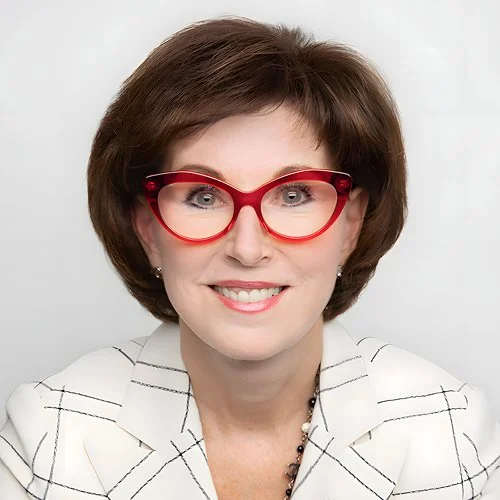
The Rosenzweig Report continues to play an important role in keeping the conversation about women in leadership grounded in data and focused on progress. While we have seen meaningful gains over time, progress at the very top, and particularly in key operational roles, continues to lag. Most of Canada’s largest companies now have a diverse slate of independent directors. Where progress has not kept pace is on the executive and CEO pipeline side. Women are still more likely to be placed in, or move into, functional leadership roles, and less likely to take on the operational and profit and loss responsibilities that most often lead to the office of the CEO. This matters greatly, because leadership teams shape how organizations allocate capital, manage risk, build culture, develop next gen talent and compete over the long term. When the full breadth of talent is not moving through the pipeline into the most senior operating roles, companies are not only limiting opportunity, they can be limiting performance. Sustained attention, transparency, accountability and support remain essential if organizations want to see more women represented in roles that ultimately shape business strategy, culture, and results. The Rosenzweig Report helps ensure this continuing challenge stays firmly on the leadership agenda.
| – | Kathleen Taylor, Former President & CEO, Four Seasons Hotels & Resorts; Former Chair, Royal Bank of Canada |
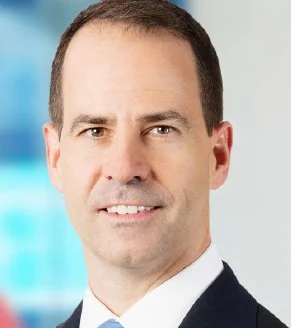
The global drivers that are reshaping economies, societies and politics are remarkable and without precedent. Through this, diversity is emerging as a key plank of global competitiveness. We aim to lead by example when it comes to advancing talented women to leadership roles — and have been unwavering in our commitment to doing so. We will continue to push for change beyond BMO and celebrate the individuals and corporations that have demonstrated exceptional and visible leadership in the advancement of women, with the goal of inspiring and mobilizing more champions.
| – | Darryl White, CEO, BMO Financial Group |
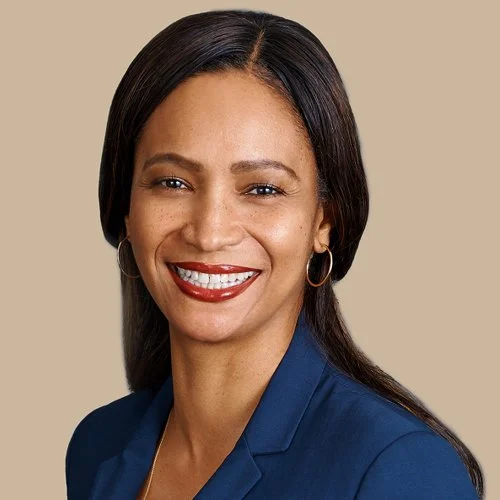
Women are reshaping the future of aviation. At Pearson, I am proud to lead a team where nearly half of my Executive Team are women, driving decisions at the very center of our ambitious strategy. Across the airport, women command our operations centre, lead emergency response teams, and lead billions of dollars in contracts, deals, and infrastructure. While the momentum is real – the number of women earning pilot licenses has increased by 58 percent since 2010 – we still “have a long way to go, baby.” The Rosenzweig Report is a reflection of where we stand today, while discovering just how wide the aperture is open for the greater possibilities for women tomorrow. Are we more able to be our fullest selves, regardless of the traditional and the expected? Might we let the uniqueness in each of us blaze trails and break patterns of limitation? Just as air travel connects people, places, and cultures, this report is a form of forging connections where women can see each other take off and, more importantly, together, soar.
| – | Deborah Flint, President & CEO, Toronto Pearson International Airport |
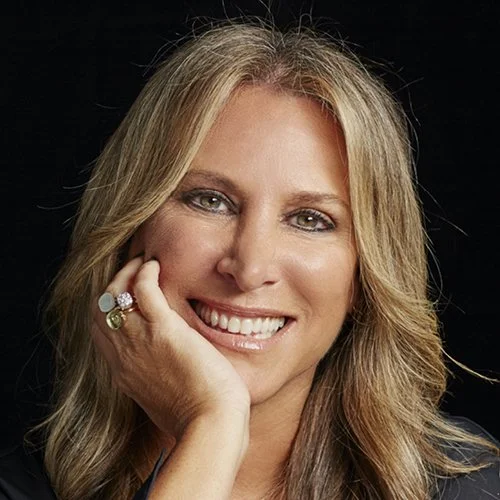
Opportunity is not a women’s issue. It is a leadership and economic imperative. The organizations that grow, scale, and innovate are the ones that reflect the world as it truly is — diverse in experience and grounded in purpose. When leadership mirrors the society it serves, performance improves, cultures strengthen, and innovation accelerates. At The Female Quotient, we believe progress is a choice. Representation matters. Reflection matters. Inclusive cultures where people feel seen, heard, and valued are how modern organizations unlock their full potential. This is how we rewrite the rules of the workplace so everyone can thrive. That is why I am proud to partner once again with Jay Rosenzweig on the Rosenzweig Report on Women in Leadership. For more than two decades, this work has turned data into dialogue — and dialogue into action — keeping opportunity and accountability on the leadership agenda. This is not about me. It is not about you. It is about we. The collective. When leaders choose intentional action, anything is possible.
| – | Shelley Zalis, CEO & Founder of The Female Quotient |
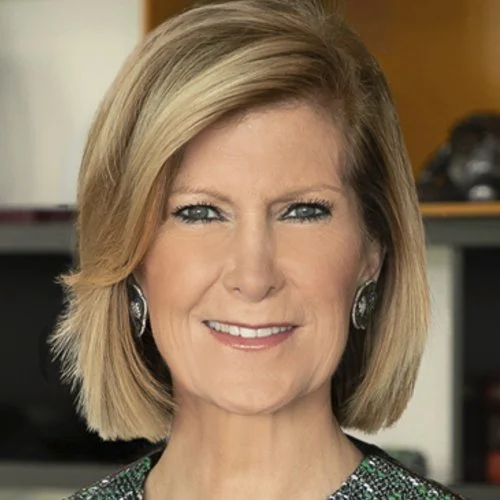
At J.P. Morgan, we empower women through initiatives like our “ReEntry” program, which supports women returning to the workforce and fosters diverse talent. While we’ve made progress toward gender equity in leadership, challenges remain, and we must continue to advocate for greater representation and inclusivity. To aspiring leaders, I encourage you to embrace your unique perspectives and stay curious and resilient. The Rosenzweig Report is a vital tool in amplifying our advocacy for women in leadership, and I thank Jay for championing the importance of diversity statistics as a driver of awareness. Together, we can build a future where every voice is heard and valued and where diversity is not just celebrated but is integral to our achievements.
| – | Mary Callahan Erdoes, CEO of J.P. Morgan Asset & Wealth Management |
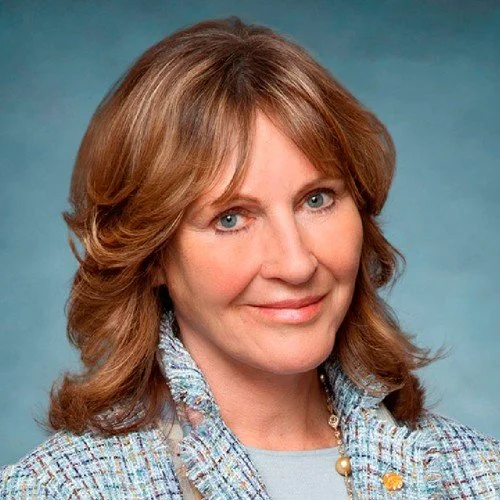
The inclusion of women in the workforce provides access to a tremendous talent pool of resourceful and industrious leaders. Women are leaders who will bring different perspectives and insights for better decision making in business and policy development.
| – | Nancy Southern, Chair, President & Chief Executive Officer of ATCO Ltd., & Chair & Chief Executive Officer of Canadian Utilities Limited |
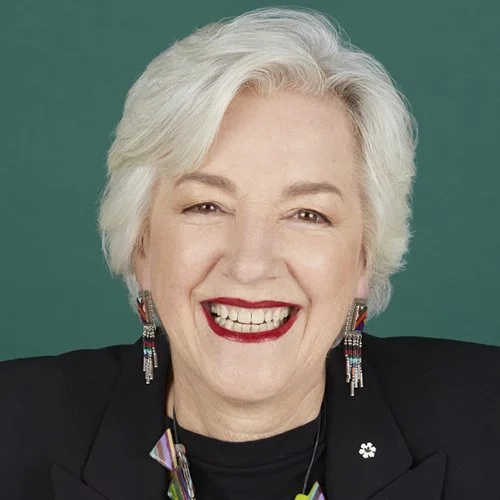
As Canadian business leaders face more challenges, disruptions, and transformation in this new world, they will need more diverse ideas, innovation, and creativity to improve performance in their companies. Women offer a different lens and perspective that can accelerate the unleashing of these new ideas, innovation and creativity. The world is changing rapidly, and leaders and institutions need to create very inclusive cultures to release this talent and energy. If there were equity in leadership positions at the top of our organizations, our businesses would be stronger, more nimble and more sustainable. Canada’s future competitiveness depends on how fully we develop and deploy our talent.
| – | Annette Verschuren, O.C., Chair & CEO, NRStor Inc. |

Anyone who's serious about their work and the responsibility and accountability that accompany real leadership knows that some of the best leaders are women. Some are men, too, but in a world still struggling to free itself of unevidenced biases that assume women’s lack of competence, any serious and successful endeavor must make intentional strides to protect and promote the women who’s talents shine and contribute. Jay’s report is a wonderful resource to help serious organizations that put performance above posturing do just that, and I’m grateful for it.
| – | Meredith Whittaker, President of Signal |
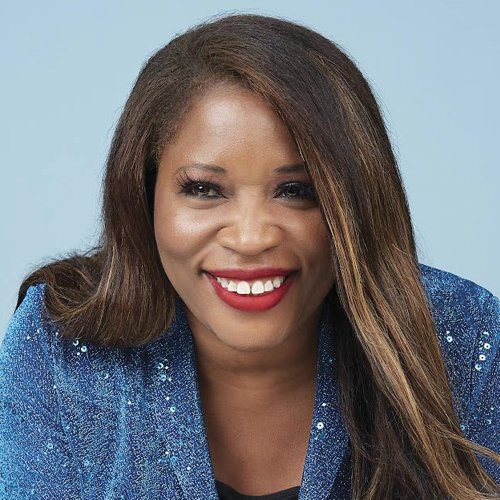
The Rosenzweig Report has long shown that strong leadership drives meaningful outcomes. Today, that insight matters more than ever. As AI, cybersecurity, and quantum technologies redefine global risk, excluding women from leadership creates strategic blind spots and slows innovation. When women lead in technical and high-growth sectors, they foster collaboration and deliver results that are innovative and resilient. The future of technology depends on leadership that draws on all voices.
| – | Claudette McGowan, CEO of Protexxa |
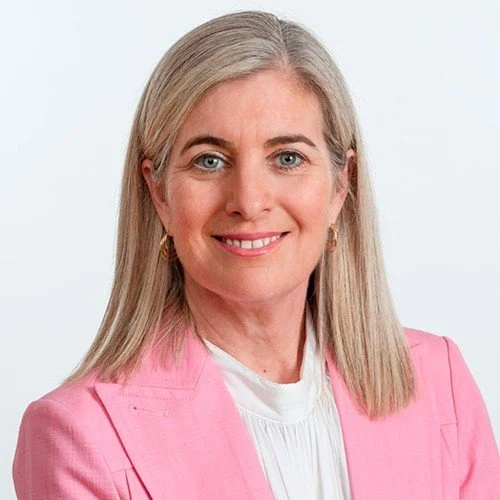
Women’s leadership is essential to building institutions that are equitable, innovative, and resilient. My own path in science began when I first encountered researchers in the field and realized that a life in science was possible for me—a reminder of how profoundly representation shapes opportunity. As the first woman to lead the University of Toronto, I am mindful of how visibility in leadership roles can open doors for others and signal what is possible. Diversity—in gender, background, and experience—is not only a matter of fairness, but a catalyst for excellence. When we create environments where women and other underrepresented voices can lead, we strengthen our capacity to meet complex challenges with creativity and purpose.
| – | Melanie A. Woodin, President, University of Toronto |
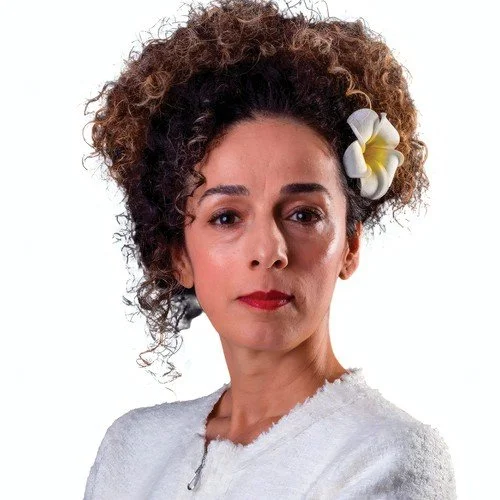
Iranian women have operated for the past half century in one of the most constrained environments in the world. Here is the paradox: women represent roughly 60% of university graduates, yet structural barriers has limited advancement into senior roles. In other countries, many women must over-index on credentials and performance to earn opportunities but Islamic Republic restrictions that can affect hiring, promotion, mobility, and public presence have not been easily overcome. The glass ceiling has been reinforced not only by workplace norms, but by a broader political context that could penalize visibility and independence. Even so, Iranian women continue to build businesses, lead teams, and shape institutions. Their leadership is defined by their growing capabilities, sustaining networks, and delivering results despite rules designed to keep them from the top.
| – | Masih Alinejad, Journalist & Political activist |

The promotion and protection of gender equality is one of the most effective ways to reduce poverty, combat discrimination, and build a more inclusive, peaceful, and prosperous world. Without the full participation, protection, and empowerment of women and girls, lasting peace, security, and economic stability will remain out of reach. Ensuring that women and girls have the agency and self-determination they deserve is essential to building societies where everyone can thrive. This has been a core pillar of our work at the Raoul Wallenberg Centre for Human Rights, and it is why efforts such as the Rosenzweig Report remain so important in advancing equality and driving meaningful change.
| – | Irwin Cotler, Founder & International Chair, Raoul Wallenberg Center For Human Rights |
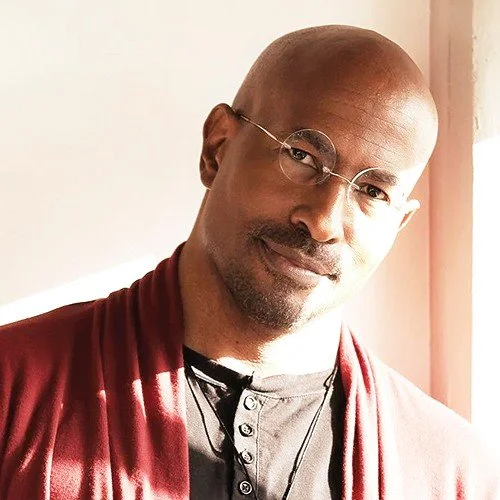
Women are the backbone of a progressive society, and yet it is so hard to be a woman, especially a woman of colour. While it is difficult, we see women stepping up everywhere. Women should not have to fight this fight alone. We all have our blind spots, and we need each other. Jay Rosenzweig deserves kudos for tracking the number of women in leadership and for his actions and advocacy for change. Only through measurement and education can we hold one another to account and spur greater action to affect the positive transformational change.
| – | Van Jones, Social Entrepreneur, CNN Political Correspondent & Founder of Dream Machine Innovation Lab |
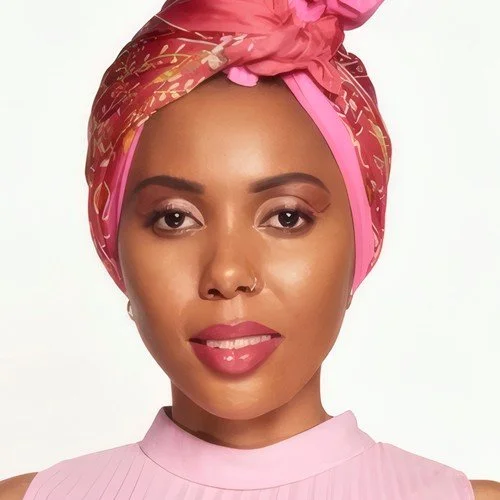
Too often, conversations about women and girls’ rights reduce people to what was done to them. But survivors are not tragedies. We are leaders, builders and protectors of our communities. I have lived the reality of child marriage and female genital mutilation and I have lived with what comes after: choosing dignity, agency and responsibility for shaping the future. Ending harmful practices is not only about laws. It is about power, who is heard, who is believed and who gets to lead. When women lead, communities are stronger, more just and more resilient. I am honored to contribute to the Rosenzweig Report on Women in Leadership, because visibility, data and sustained attention are how moral clarity becomes lasting change.
| – | Jaha Dukureh, UN Women Goodwill Ambassador for Africa & Global Advocate to End Female Genital Mutilation |
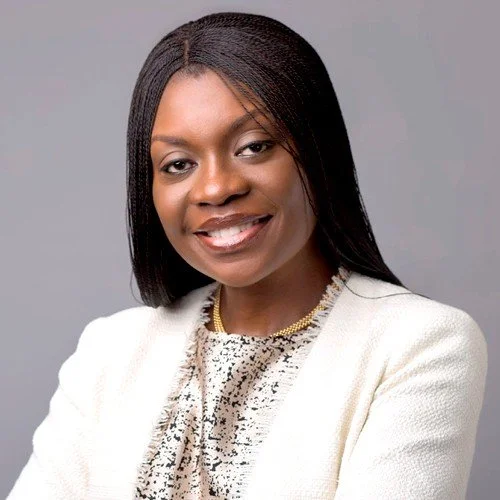
In an increasingly complex world, organisational perfomance depends on the quality of leadership and access to the best talent. At 100 Women @ Davos, we have seen how women in decision-making roles deliver more inclusive outcomes while strengthening performance through broader strategic judgement. As artificial intelligence reshapes work, markets and productivity, women must be fully represented not only as users, but as builders and leaders of these technologies. The world is rich in resources and innovation, yet stability and growth depend on leadership that reflects society as a whole. That is why efforts such as the Rosenzweig Report matter: they measure progress, demand accountability, and keep leadership advancement focused on results, not rhetoric. With private sector business a catalyst for growth, inclusive leadership is essential for economic progress and societal stability.
| – | Dr Anino Emuwa, Managing Director, Avandis Consulting Founder, 100 Women @ Davos |
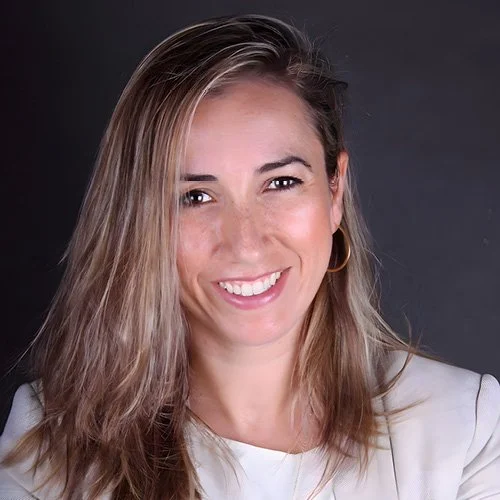
Women’s leadership is not only about representation. It is about moral clarity, accountability, and the protection of human dignity. Across the world, gender-based violence, exclusion, and systemic inequality remain persistent realities. When women are present at decision-making tables, institutions are better equipped to recognize risk, respond to injustice, and build societies that are more resilient and more just. Advancing women into positions of leadership is both a moral imperative and a strategic one. Efforts like the Rosenzweig Report are essential in keeping this issue visible, measurable, and anchored in accountability.
| – | Dr. Cochav Elkayam Levy, Founder & Chair of the Civil Commission on October 7th Crimes by Hamas against Women & Children & the Dvora Institute for Gender & Sustainability Studies |

I was born in Iran, a country where women’s rights are heavily suppressed, sometimes quietly through systems and laws, and sometimes violently through force. As a woman and a singer, my voice was restricted: female singers are not allowed to sing, record, or perform publicly. I was arrested multiple times and imprisoned. Still, I chose to dedicate my life to gender equality and freedom through music, acting, and activism. My protest songs against the Iranian regime led me into exile, but they could never silence me or my purpose. It is both empowering and sobering to recognize that the choices we make today shape the opportunities available to the girls and women who come after us, helping to create a world where everyone can dream without fear, and with the possibility of making their dreams come true. Progress does not happen by chance; it is built deliberately, step by step, by those willing to create pathways where none previously existed. My work has shown me that while this journey can be challenging, it consistently proves that meaningful change is achievable. With vision, courage, and collective support, barriers can be dismantled. The Rosenzweig Report reinforces a vital truth: women’s leadership, at every level, has the power to move us toward a more equal and inclusive future. I am grateful for leaders like Jay Rosenzweig, whose commitment to shedding light on the realities women face helps ensure this work remains visible, accountable, and forward moving
| – | Golazin Ardestani (GOLA) — Iranian Artist & Women’s Rights Activist; Advocate for Gender Equality & Freedom in Exile |
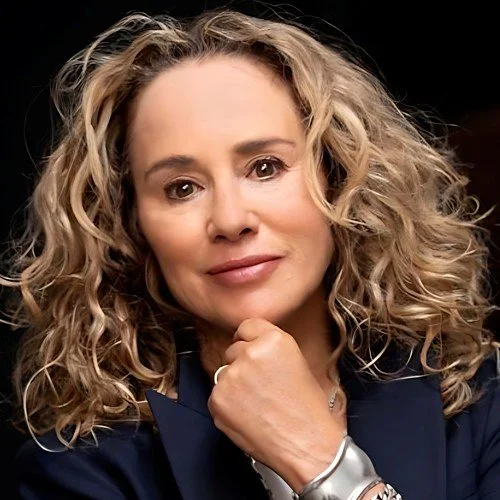
Leadership, at its core, is about seeing the humanity in others, noticing what is often invisible, and recognizing possibility where others see limits. In my work documenting vulnerable communities around the world, I have witnessed extraordinary strength, resilience, and dignity, especially among women and girls whose leadership often goes unrecognized. True leadership is not defined by title or position, but by the courage to stand for human dignity, to protect the vulnerable, and to use one’s voice to create change. When women lead, they bring empathy, collaboration, and a deep understanding of community. These qualities are not soft. They are powerful. They are essential to building a more just, compassionate, and sustainable world. I am honored to support Jay Rosenzweig’s Rosenzweig Report on Women in Leadership, which for more than two decades has helped illuminate both progress made and work still to be done. The invitation before us is simple but consequential: to notice whose voices are missing, to elevate women’s leadership with intention, and to act in ways that ensure opportunity and responsibility are shared more equitably. When we choose to truly see women and value their leadership, we help shape a future where leadership reflects the humanity it is meant to serve.
| – | Lisa Kristine, Humanitarian Photographer & Founder of a Human Thread Foundation |

Women are born with a strength the world cannot give and no one can take away. Leadership is not about proving you have it. It is about helping women recognize what is already there, trust it, and step into it with confidence. When women lead, they do more than drive results. They build what matters. They lead with heart and backbone. They listen, connect, collaborate, and stand up for what is right. This kind of leadership creates impact, momentum, and lasting change. Success is not meaningful if you are the only one at the table. Real leadership is pulling up another chair, opening the door wide, and using your voice to amplify others. When women lift women, we do more than change organizations. We strengthen cultures, communities, and the future.
| – | Loren Ridinger, CEO of Market America & Shop.com |
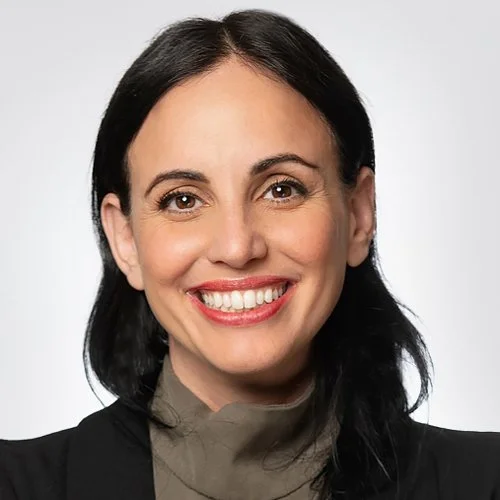
Over the past few years, I’ve seen firsthand how much untapped potential exists among women founders. When we launched programs like Wonder Founder, the goal was clear: expand access and open doors. While women-led companies still receive only a small share of venture funding, the data continues to show that investing in women leads to stronger teams, better decisions, and higher returns. Through my work - including our efforts at Protego to back exceptional next-generation technology founders — I’m more convinced than ever that diverse leadership isn’t just a social imperative, but a true competitive advantage. I’m proud to build alongside extraordinary women partners in both Protego Ventures and AnD Ventures - trailblazing leaders who push boundaries and shape how we invest. And I’m equally proud that the majority of our team across both funds is made up of talented, mission-driven women who drive our culture and our outcomes. As Jay’s annual report has shown for over two decades, progress requires persistence, transparency, and a willingness to challenge the status quo. I’m proud to add my voice once again.
| – | Lee Moser, Managing Partner & Founder at AnD Ventures & Co-founder of Protego Ventures |
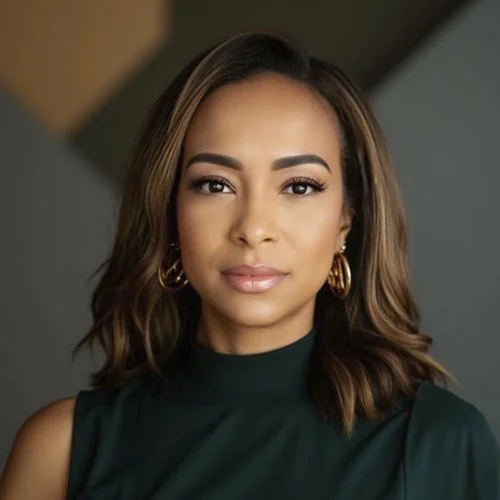
Women’s leadership is not a trend, it is a structural necessity. When women lead, organizations and economies grow stronger, more adaptive, and better positioned for long-term performance. Progress does not happen by accident. It happens because leaders choose to measure it, prioritize it, and hold themselves accountable. The Rosenzweig Report remains essential in making that accountability visible and reminding us that durable economic progress is the result of intention, action, and sustained commitment.
| – | Valeisha Butterfield, Founder, Global State of Women & SEED Media |
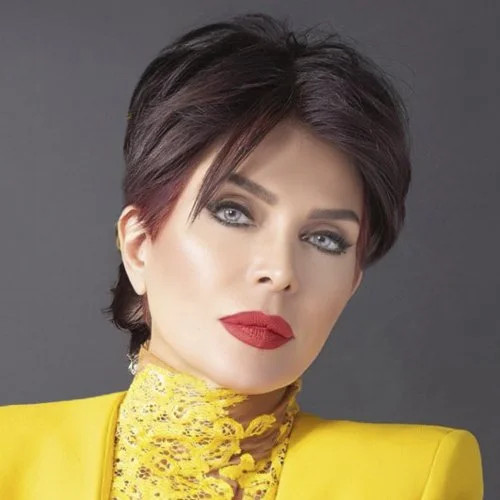
The rise of women into leadership is not simply a social milestone — it is a psychological evolution. When women lead from awareness, integrity, and self-respect, societies don’t just diversify — they stabilize. Institutions don’t just expand — they mature. True leadership reflects the full spectrum of human intelligence: emotional, relational, strategic, and moral. Across the world, women are awakening to their agency. In places like Iran, this awakening has carried real risk. The courage to speak, to stand, to choose dignity over silence — this is not politics. It is sovereignty. And sovereignty always begins internally before it manifests externally. Leadership does not begin with a title. It begins with clarity. With self-possession. With the refusal to negotiate one’s worth. Progress does not happen by accident. It requires visibility, accountability, and courageous individuals willing to hold a higher standard — in business, in government, and within the human psyche itself. Through initiatives such as the Rosenzweig Report and global advocacy for women’s leadership and human rights, Jay Rosenzweig contributes to an essential truth: representation is not symbolic — it is structural. When women are seen, measured, and supported, societies become stronger, more ethical, and more sustainable. This is not about opposition. It is about elevation. It is about conscious power. And when women rise from survival into self-leadership, entire generations follow.
| – | Dr. Azita Sayan, Relationship & Human Transformation Architect; Founder, Embrace Growth |